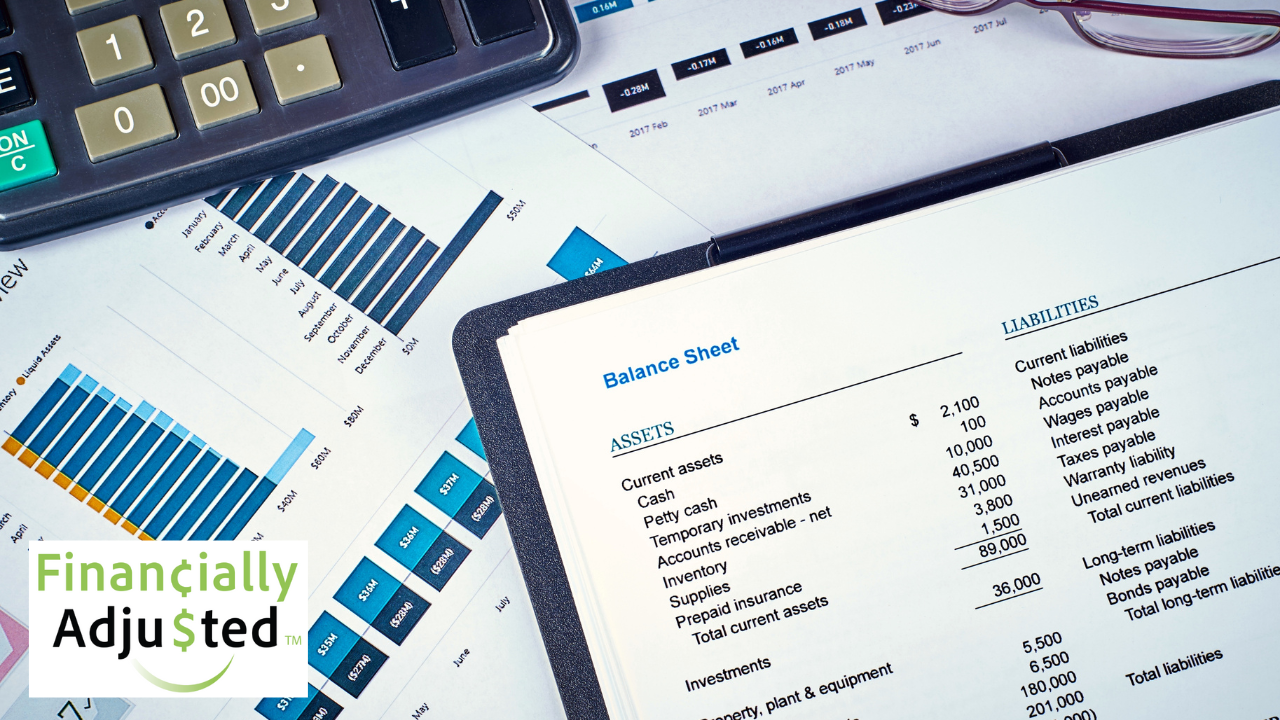
#11: Understanding Your Balance Sheet
If you read my last post, you know all about the Profit and Loss (P&L) statement. This post covers its partner: the balance sheet. It's probably the most misunderstood financial report out there, and the one business owners skip the most. Once you understand it, though, you get a much clearer picture of your business health. And no, we're not getting into a deep accounting lecture. Promise. 😉
What is a Balance Sheet?
A balance sheet is a snapshot of your business at a single point in time. It shows what you own, what you owe, and what's left over. The math is simple: assets (what you own) minus liabilities (what you owe) equals equity (your net worth). Some people even call it a net worth statement, and that's a good way to think about it. It's like your personal net worth, but for your business.
Components of a Balance Sheet
Assets (Top Section): Everything your business owns. They're listed from most liquid to least liquid, so cash shows up first.
Current Assets: Cash and bank accounts, petty cash, and accounts receivable (money owed to you for services or products you already provided). These are things you could turn into cash within a year.
Fixed Assets: Long-term items like equipment, office furniture, vehicles, or a building. If you buy a piece of equipment for $2,500 or more, it should show up here.
Liabilities (Middle Section): Everything your business owes. Like assets, the short-term stuff comes first.
Current Liabilities: Debts due within a year, like credit card balances, lines of credit, and payroll liabilities (taxes and benefits you've held back from paychecks that still need to be paid in).
Long-Term Liabilities: Debts that go past a year, like equipment loans or business loans with a multi-year term.
Equity (Bottom Section): Your stake in the business, or its net worth.
Owner's or Shareholder Equity: Money you've put into the business (contributions) and money you've taken out (owner's draws or shareholder distributions).
Retained Earnings: The profit you've kept in the business from year to year, added up over time.
Why is it called a balance sheet? Because assets always equal liabilities plus equity. The two sides always balance out. ⚖️
Balance Sheet vs. P&L: How They Work Together
The big difference is time. Your P&L covers a specific period. If you run a P&L for January, you only see January's revenue and expenses, and February starts fresh.
Your balance sheet doesn't start over. If you run one for January, you see the totals from the day you opened your business up to January 31st. Your bank balance, your loan balances, and your equity are all running totals.
Here's where the two connect: remember in the P&L post how owner's draws and loan principal payments don't show up as expenses? This is where they live. Your draws show up in equity, and your principal payments lower the loan balance in your liabilities. So if your P&L says you made a profit but your bank account doesn't match, your balance sheet usually holds the answer.
Your Balance Sheet Health Check
You don't need to study your balance sheet for hours each month. It's a lighter lift than your P&L. Just ask yourself these three questions:
Do I own more than I owe? Your total assets should be bigger than your total liabilities. If your debts are larger, your equity turns negative, and that's a sign to make a plan.
Is my equity growing? If your owner's equity or retained earnings go up over time, you're building real value in your business. 🙌
Do I see any red flags in my debts? Look for balances that make you uncomfortable or payroll liabilities that are past due.
How would your business answer these three questions today? 👀
Common Misconceptions
Many business owners think the balance sheet is "the accountant's report" and that they don't need to look at it. You do! Your bookkeeper can only record what they know about. A new credit card, a new equipment loan, or a business expense you paid with personal money all need to be reported to your bookkeeper so they show up correctly. The same goes for personal expenses that slipped through your business account. Those count as draws, not business expenses.
Take Action
Look at your balance sheet each month alongside your P&L, or quarterly at the very least. Go through the three health check questions, and ask your bookkeeper or tax professional about anything that doesn't look right.
If you want to make sure the basics are covered, my free 4 Mistakes training walks you through the most common money mistakes I see wellness business owners make and how to avoid them. You can grab it here: https://financiallyadjusted.com/4financialmistakeswebinar
Disclaimer: This content is for educational and informational purposes only. Please consult with an accounting professional for direct advice based on your specific business situation.